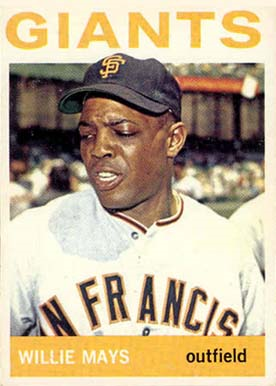
Snagging the list at #3 is the greatest centerfielder of all time, Willie Mays. Firmly in the running for the greatest offensive and defensive centerfielder of all time, “The Say Hey Kid” spent 22 seasons patrolling centerfield in New York and San Francisco. Many statistics jump off the page for Mays, but perhaps the most impressive is that he led the league in WAR an astounding 10 times which is tied with Babe Ruth for most in history. He’s also the only player in history to lead the league in home runs and stolen bases four times each, and he’s the only player in MLB history to lead the league in home runs four times and triples three times each, demonstrating his elite power/speed combo. Mays won the NL MVP in 1954 and 1965 and finished in the top-6 for 10 consecutive seasons. He’s 3rd all-time in total bases, 5th in WAR, 6th in home runs and extra-base hits, 7th in runs and runs created, 12th in RBIs, 15th in intentional walks, and 17th in slugging percentage. His 156 WAR is the most ever by a centerfielder and his dWAR of 18.2 is the 3rd highest among center fielders. He joins Mike Trout and Cal Ripken Jr. as the only players in history with at least two MVPs and two All-Star Game MVPs and he is tied with Stan Musial for the second-most All-Star game selections (24). Mays is the only player in history with at least 35 home runs, 35 stolen bases, and 20 triples in a single season. He’s the only player in history with at least 6,000 total bases and 300 stolen bases. He’s the only player with 3,200 hits, 600 home runs, and 300 stolen bases. He’s the only player in history with 600 home runs and 140 triples and he joins Barry Bonds as the only two players with 660 career home runs and 330 stolen bases. Mays led the Giants to four World Series appearances including a World Series title in 1954.
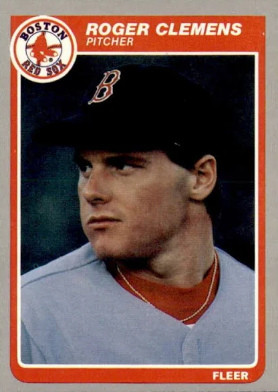
Hurling in at #4 is “The Rocket” Roger Clemens. Even among the elite pitchers in baseball history, Clemens stands out. His 24-year career is littered with one-of-a-kind accomplishments and an eye-popping run of peak longevity. Clemens’ seven Cy Youngs are the most all-time, two more than any other pitcher. He finished in the top-3 10 times which is the most ever. He won the 1986 AL MVP, making him the only pitcher in history with more than three Cy Youngs and an MVP. Clemens’ Cy Young Awards were won over a span of 19 seasons which is, by far, the longest stretch in history. He was the 7th youngest pitcher in history to win the award in 1986 at the age of 24, and was the oldest pitcher to win it in 2004 at the game of 42. He won the 1986 All-Star MVP, making him the only pitcher in history to win the Cy Young Award, MVP, and All-Star MVP, and he did it all in the same season. What makes Clemens’ career so remarkable is his resume stacks up not just against the elite pitchers of the last 50 years, but against the OGs from more than 100 years ago. Since Major League Baseball formed in 1903, his seven seasons of at least a 160 ERA+ and 200 innings are tied for the 2nd most all-time and his eight seasons of at least a 150 ERA+ and 200 innings are tied for the most all-time. His 10 seasons of at least a 140 ERA+ and 200 innings are tied for the most all-time and his 13 seasons of at least a 130 ERA+ and 200 innings are also tied for the most all-time. His 14 seasons of at least 120 ERA+ and 200 innings are the most in history and his 19 seasons of greater than a 100 ERA+ and 170 innings are tied for the most in history. Clemens’ six seasons of at least 20 wins and fewer than 10 losses are tied for the most in history and his five seasons of at least 20 wins and fewer than eight losses are the most all-time. He pitched 12 seasons with at least 30 starts and no more than 10 losses which are the most in history. He pitched three seasons with at least an .800 winning percentage and 30 starts which are also the most all-time. He’s the only pitcher in history with at least 600 career starts and at least a .658 winning percentage and the only pitcher in history with at least 4,000 strikeouts and a .658 winning percentage. Clemens had three seasons of at least a 210 ERA+ and 210 innings which are tied for the most since 1919. His 143 career ERA+ is the highest since 1929 (min. of 3,000 innings). Clemens led the league in ERA+ eight times which is the most since 1929 and the 2nd most by a pitcher. He led the league in field independent pitching nine times which is tied for the most all-time and shutouts six times which is the most since 1913. Clemens took six teams and three different franchises to the World Series and led the Yankees to back-to-back World Series championships in 1999 and 2000 in which he pitched a combined 15.2 innings with a .57 ERA and .51 WHIP.
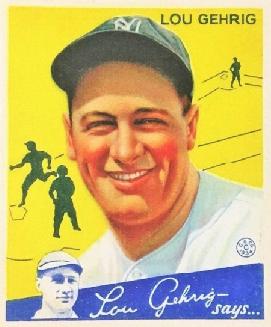
Riding in at #5 on the list is “The Iron Horse” Lou Gehrig. It would be easy to lose sight of Gehrig’s significance given that he played in the shadow of Babe Ruth, but the difference between the two is much smaller than the historical narrative indicates. Gehrig was eight years younger than Ruth. Ruth’s numbers were astronomical, no doubt, but it took some time for major league pitchers to adjust to hitters looking to hit home runs. By the time Gehrig reached his peak, pitchers had more tools to combat the changing game. We can only wonder what Gehrig’s numbers would’ve looked like had he arrived at the same time as Ruth and been able to feast on overmatched pitching. Although that’s fun speculation, the numbers Gehrig did put up are still almost too silly to believe. He had 13 consecutive seasons of 100 RBIs and 100 runs which is the all-time record. He had 11 seasons of at least 120 RBIs which is tied with Ruth for the all-time record. He had nine seasons of at least 140 RBIs which is the all-time record and two more than any other player. He had seven seasons of at least 150 RBIs and four seasons of at least 160 RBIs; both are all-time records. There have only been seven seasons in history that yielded 170 RBIs and Gehrig has three of them. Unsurprisingly, that is also the all-time record. He drove in 185 RBIs in 1931 which is the second-highest single-season total of all time. Gehrig had nine seasons of at least 135 runs which are tied with Ruth for the all-time record. He had 12 consecutive seasons with at least 125 runs which is a ludicrous streak on its own but even more so considering the second-longest streak in history is four! Gehrig’s eight seasons of at least 135 runs and 135 RBIs are the most all-time. Babe Ruth is the only other player with more than two. Gehrig produced five seasons of at least 400 total bases which is the most in history and two more than any other player. He had seven seasons of at least 200 hits and 150 RBIs. Nobody else has more than three. He had four seasons of at least 200 hits and 165 RBIs. Nobody else has more than one. There have only been two seasons ever with at least 218 hits and 173 RBIs. Gehrig has both. Gehrig had seven seasons of at least 200 hits and a 1.100 OPS. Nobody else has more than four. His three seasons with at least 200 hits and an OPS+ of 200 is tied for the most ever. He had nine seasons with at least 80 extra-base hits and fewer than 80 strikeouts which is the most all-time, and he had seven seasons with at least 85 extra-base hits and fewer than 70 strikeouts which is also the most all-time. There have only been four seasons in history where a player had more home runs than strikeouts with at least 49 home runs. Gehrig has two of them. His 117 extra-base hits in 1927 are the second-highest single-season total of all-time. Gehrig is third all-time in slugging percentage, 4th in OPS+, and 5th in on-base percentage. He won two MVPs, finished runner-up twice, and had eight top-5 finishes. Although Gehrig had one of the greatest regular-season careers in history, his production actually improved in the postseason. Among players with at least 150 postseason plate appearances, Gehrig’s .483 on-base percentage and .361 batting average are #1 in baseball history, and he’s tied for first with an otherworldly OPS of 1.214. He led the Yankees to six World Series titles in seven appearances. Of course, Gehrig’s career was tragically cut short while he was still firmly entrenched in his prime by the disease that would become synonymous with his name. Gehrig almost certainly would’ve blown past 2,000 runs, 2,000 RBIs, 3,000 hits, 600 home runs, and 600 doubles which would’ve put him in a club that would have made even the Babe envious.